
Sample Week 1 – Y4:M4:W1

TOPIC
Resilience

FOCUS
Independence

LEARNING OBJECTIVE
Can I think of a way to show that I’m ready for some independence?
Session content
- N.B. This session encourages children to practise their communication, problem-solving, and responsibility skills while building trust with others in a calm, cooperative way.
- Developing independence boosts a child’s mental health by building their confidence, self-esteem, and sense of competence, which fosters resilience and a greater sense of control and autonomy over their life.
- Discussion:
- Discuss with the children what ‘independence’ means.
- Together come up with a child-friendly definition, e.g. freedom from the control or influence of other people, taking responsibility for your own life, health and making your own decisions.
- Explain that often you get better and better at being independent the older you get.
- Say: Suzanne sometimes lacks confidence asking for a drink in a café and she wants to get more independent at doing this…as often she’d ask her friends to order for her! In this short video she is going out of her comfort zone by not only asking for a coffee (espresso) but also asking for some money off it!
- Ask: What are ‘human rights’?
- Explain that there are human rights that are there to protect everyone and to try to allow everyone to have what they deserve in life.
- Ask if they know of any human rights for children?
- Say that UNICEF UK shares the UN Convention on the Rights of the Child (UNCRC) which is an important, legally binding agreement signed by 196 countries (as of 12 July 2022) and these are: the right to:
- Relax and play;
- Have freedom of expression;
- Be safe from violence,
- An education,
- Protection of identity,
- Have a sufficient standard of living,
- Know their rights,
- Health and health services.
- Try to explain to them what the difference is between their ‘rights’ and their ‘responsibilities’.
- Explain that ‘rights’ are things they are entitled to, like having food to eat, a safe place to live, and going to school. These are things that help them grow and be happy.
- On the other hand, ‘responsibilities’ are things they need to do to help themselves and others, like brushing their teeth, doing their homework, and being kind to friends.
- Explain that it might feel exciting to gain independence and that’s what most families want for children.
- However, say that some families find it hard to give their child/children independence;
- Explore some reasons why, e.g. worried about safety etc.
- Acknowledge that there are many times when they will need to seek adult help, e.g. when taking medicines and using household products carefully etc.
- However, say that it’s normal to feel upset when you are stopped from having independence, especially if you feel ready for it.
- Task 1: Proving your independence!
- Explain that the best thing they can do, is show people that they are ready in their behaviour to prove they deserve more independence and responsibility.
- Give them time to chat about any ideas they have about HOW they might do this.
- If they need any ideas, please refer to the ‘Ideas for independence’ section below for some examples.
- Share SLIDE 11 with an example of what Jakob did (true story).
- Give them a big sheet of paper and ask them to draw or write their ideas about things they could do.
- Mingle around the room and help them with any spelling.
- Without pressure, encourage sharing.
Task 2: Would you rather…?
- To end, play a simple game where you say 2 things and they have to choose number 1 or number 2 (by holding up one hand or two hands) to show which thing they would rather do to prove they are independent:
- a) Would you rather: 1) Take care of a pet and clean its cage, or 2) Clean your room?
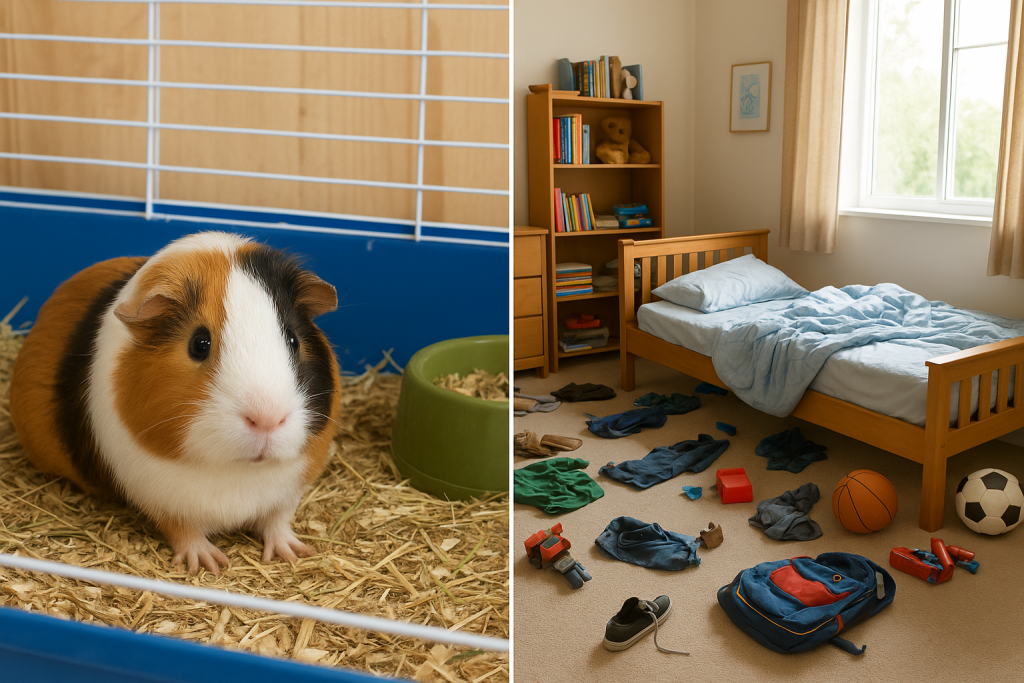
- b) Would you rather: 1) choose what to eat for dinner every night, or 2) choose the time you go to bed every night?
- c) Would you rather: 1) decide what outfit you wear every day, or 2) be trusted to manage your own pocket money?
- d) Would you rather: 1) walk to school on your own, or 2) take care of a younger sibling/cousin for an hour?
- e) Would you rather: 1) be trusted to use the kitchen to make a snack on your own or 2) be allowed to go to the park on your own?
- f) Would you rather: 1) be responsible for keeping your room tidy or 2) be in charge of washing all the clothes for your family?
- g) Would you rather: 1) be allowed to invite friends over without asking or 2) be trusted to stay home alone for a short time?
- h) And now for a silly one…Would you rather: 1) have to brush your teeth with mashed potatoes every day or 2) wear your socks on your hands for a whole week?
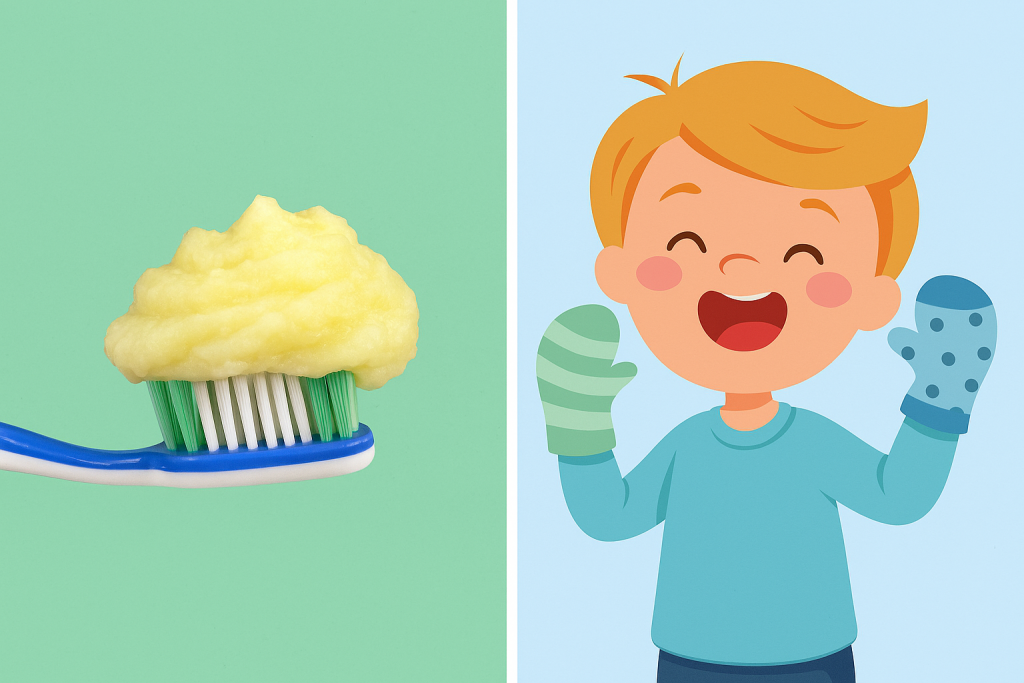
- Ask them to chat to each other and think of ONE thing that they might do to become more independent!
- Here’s an idea of one step to independence and how to build up to it slowly:
Walking to school with friends or with a Parent/carer following at a distance:
- Maybe practise the route together with a parent/carer first, demonstrating that they can follow the agreed path and stay alert to their surroundings and crossing any roads safely and staying aware of strangers.
- Create a plan with details like what time they’ll leave, who they’ll be with, and what they’ll do if they feel unsafe (e.g., they could carry a phone or know where to find a trusted adult).
Ideas for independence:
- 1) Helping at home:
- Doing regular jobs around the house, like washing-up, tidying their room, or setting the table without being asked.
- Showing initiative by noticing something that needs doing and doing it (e.g. putting away their toys or helping prepare meals).
- 2) Taking care of themselves:
- Remembering to brush their teeth, comb their hair, or pack their school bag independently.
- Managing their time well, such as doing homework before playing.
- 3) Being responsible:
- Taking care of a pet or a plant by feeding it or watering it regularly.
- Helping younger siblings/cousins.
- Keeping track of their own things, like not losing their coat or lunchbox.
- 4) Showing maturity in conversations:
- Using polite words when speaking to adults and friends.
- Listening calmly and discussing a disagreement respectfully.
- Communicating with respect and understanding if a family member says no to something but put forward an argument for why you feel ready and what compromise there could be.
- 5) Making decisions:
- Choosing their clothes for the day or deciding how to spend their pocket money wisely.
- Planning something for the family, like a simple snack or activity.
- 6) Being trustworthy:
- Following agreed family rules, even when an adult isn’t watching (e.g. crossing the road safely, going to bed at the agreed time etc).
- Ask each child to put a counter in the SAPs (self-assessment pots) to show if they have achieved the LO and record results.
Feedback from a Year 4 teacher: “We discussed the difference between rights and responsibilities. The children had great delight in telling their friends the sort of things they do at home to show they are independent. There was also a great discussion about what might be deemed unsafe at their age for being independent. They all loved the ‘Would you rather’ game”.
Related PSHE Programmes of Study
- 2H1
- 2H35
- 2H40
- 2R6
- 2R7
- 2R8
- 2R31
- 2L30
- 2L2
- 2L3