Reception Stand Alone Parent/carer CORE Mental Health
Welcome to CORE MH programme for your 4-5 year old Child
If you follow this programme consistently, it supports your child:
- emotionally
- physically
- psychologically
- to thrive in school
- to thrive within relationships
It is also designed to create a connecting bond with you so they feel safe to share how they’re feeling, as well as the ability to support themselves too.
Each weekly session will last only about 30 minutes.
There is a session every week throughout the year…with a break over August.
Linking to the CORE MH Sessions in School
This programme is aligned with the CORE Mental Health Curriculum that your child is using in school.
It provides you with a brief synopsis of what your child will be doing in school each week.
The home task, that you complete with your child builds on this session in school either as an extension to their learning and/or to prepare them for the task in school by giving them knowledge to develop confidence.
For every task there is a video, audio or image, alongside instructions and associated resources.
Parent/carer Introductory Video:
Suzanne Allies, author of the CORE MH Programme introduces you to the programme.
Suzanne taught as a primary teacher for 20 years, as a university lecturer for 10 years and is a psychotherapist and author.
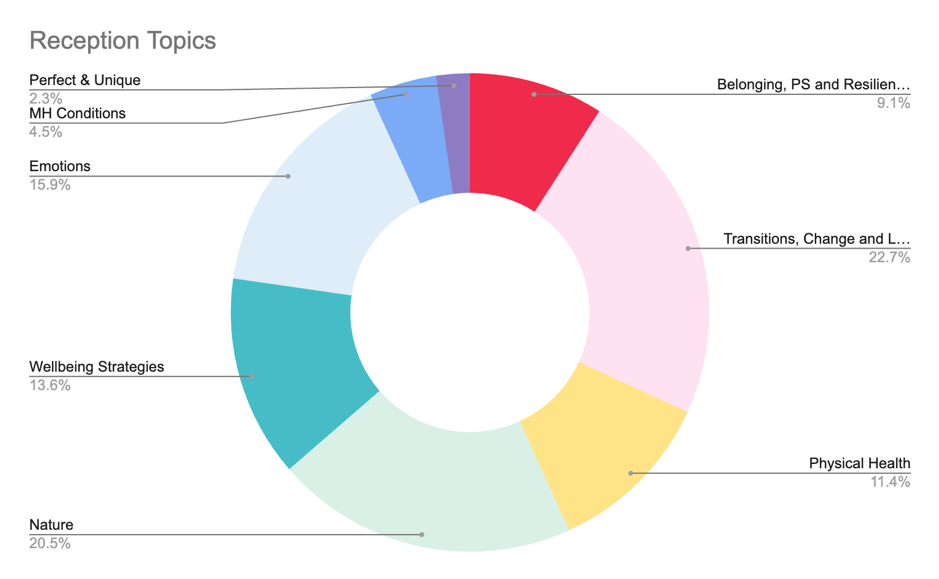
Overview of Topics Covered
Here is a model of the content for this Reception (age 4-5) section of the programme:
What this Programme covers:
- Tasks using the vocabulary and language associated with wellbeing or mental health, for example: wellbeing, anxiety, angry, calm, worry etc. so they are more equipped to talk about their feelings and to name/describe their mental states.
- Themes related to penguins because penguins and other animals have been linked to feelings of happiness. Bergman (2021) discusses ‘penguin glow’ and how penguins teach us about resilience and hope.
- Themes related to changes, loss, self-care, problem-solving and resilience, health, emotions, anxiety and being creative and unique.
- Topics about transition, loss and changes as, having started school, they have many new experiences to contend with that could affect their mental health.
- Creative activities focused on play.
- Breathing activities.
- Working with images from Project Soothe (I have permission from the author Stella Chan, for these images to be used).
- A focus on nature so that children can begin to learn using the world around them and familiar contexts.
- Themes about building caring relationships between peers and adults.
I hope you can see why all of these things will teach and enable children to support their own wellbeing in a proactive way.
Breathing and Mindfulness for Children
Breathing and mindfulness encourages children to pause, reflect, and feel the effects that calming down has on their minds and bodies.
There’s a wealth of research to support the idea that teaching mindfulness to young children has lasting effects and not only improves emotional regulation but also reduces anxiety in children as young as 4 – 6 years old.
Before Starting:
There are only 2 things you need to sort/arrange before starting this programme:
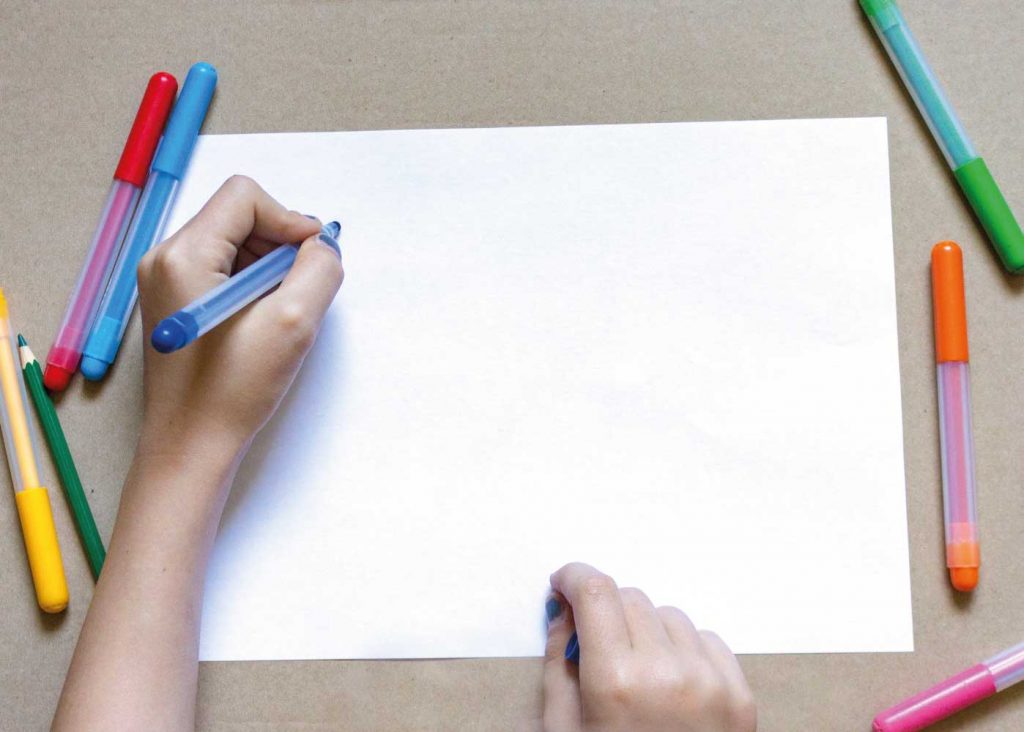
Source a Mood Journal
Find a note-book with plain paper in it (any size) for them to use as a ‘mood journal’.
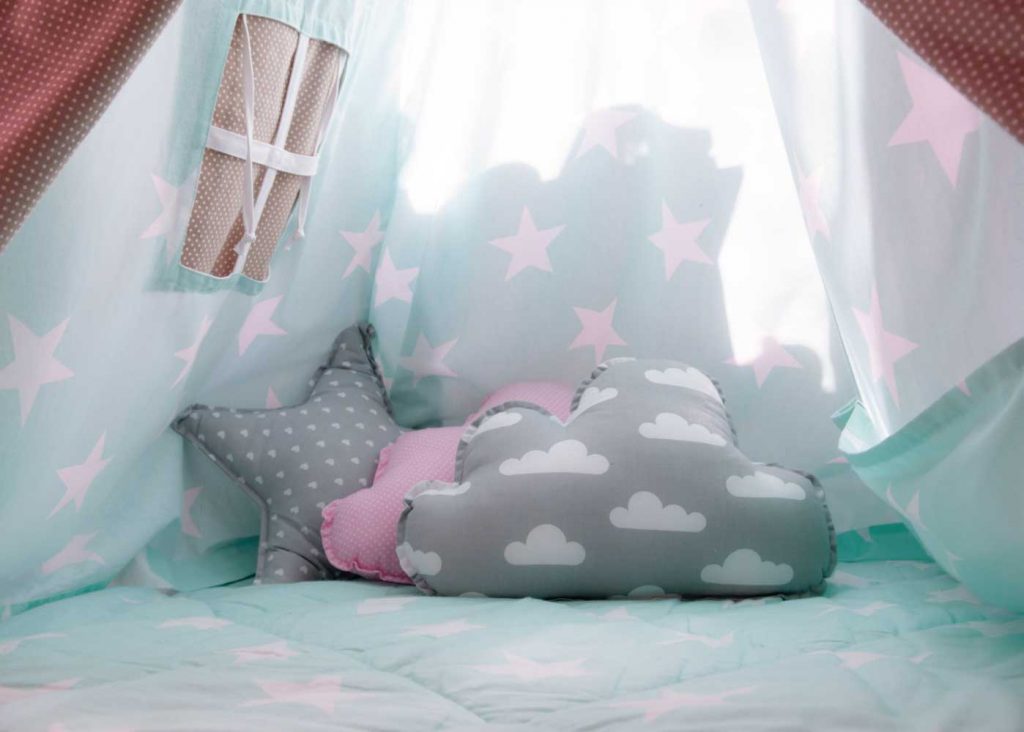
Create a calm-down area
Please designate a corner of a room in your home to be your child’s calm-down area. It might be a corner of the lounge, or it might be a space in their bedroom that they can retreat to whenever they feel overwhelmed or need some quiet time to reflect.
I hope you enjoy engaging in all these tasks this year with your child(ren), and even learn some ways of supporting your own mental health and wellbeing along the way.
Thanks so much for investing your time and effort in this programme which will improve and support your child with their wellbeing for years to come!
Suzanne x